
Healthy Living
12 Helpful Ways to Lower Cholesterol
Cholesterol is a kind of lipid that the liver produces naturally. Your body needs it to form specific hormones and vitamin D in the body. It also helps keep the walls of your cells flexible. Cholesterol does not dissolve in water, so it travels in the body through proteins called lipoproteins.
Two Types of Cholesterol
1. Low density lipoprotein (LDL) or the bad cholesterol
2. High-density lipoprotein (HDL) or the good cholesterol.
Having too much bad cholesterol may result in excess cholesterol deposits in your arteries which may put you at risk of heart attack, kidney failure, stroke and other heart diseases. Learn more about the meaning and importance of your cholesterol numbers.
Ways to Lower Bad (or Increase Good) Cholesterol
 1. Increase your fiber intake. (25 grams per day for a 2,000 calorie diet) | 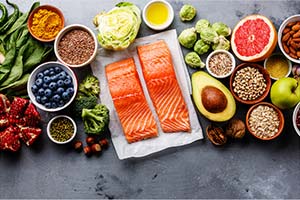 2. Eat more healthy fats. (i.e. avocados, olive oil and dark chocolate) | 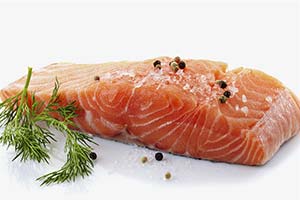 3. Add more omega-3s to your diet. (i.e. salmon and tree nuts) |
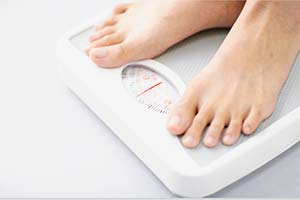 4. Maintain a healthy weight. |  5. Avoid stress. |  6. Exercise regularly. (30 min./day, 5 days/week) |
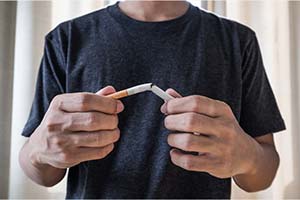 7. Don’t smoke. |  8. Limit alcohol. (2 drinks/day for men, 1 drink/day for women) | 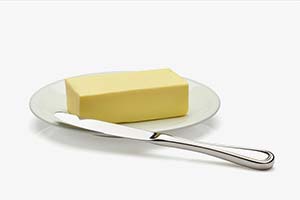 9. Avoid trans fats. (i.e. pastries and cookies) |
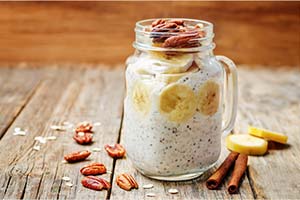 10. Take supplements like fish oil and flaxseed. | 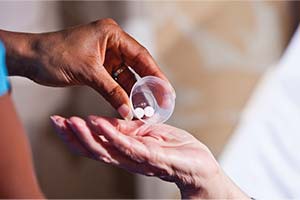 11. Consider prescription medication. |  12. Get lipoprotein apheresis treatment. |
Final Thoughts
High cholesterol levels can cause serious health problems, including heart disease. The good thing is, committing to a healthier lifestyle and cooperating with your doctor can help you treat or manage this condition, and prevent greater health risks in the future.
Meanwhile, if you don’t know your cholesterol levels, please schedule an appointment with your doctor.
Sources:
Healthline
MedlinePlus